Russian Tortoise (Testudo horsfieldii) Care Guide
A Comprehensive Overview for Responsible Ownership
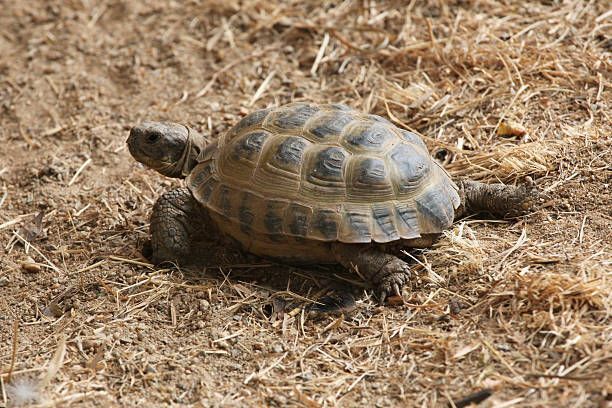
Russian tortoises are small, hardy, terrestrial reptiles native to arid regions of Central Asia. Although they are one of the smaller species of tortoises, they are quite charming—with bold personalities, long lifespans, and surprisingly active behavior. Proper husbandry is key to keeping them healthy and thriving in captivity.
Quick Reference
- Enclosure Size:
Adults: 4 ft x 2 ft minimum indoor enclosure; outdoor pens preferred when possible, with secure fencing and safe access to sunshine and shade.
- Temperatures and UVB:
Daytime ambient air: 75–85°F
Basking spot: 90–100°F
Nighttime minimum: No lower than 65°F indoors; Provide outdoor tortoises with a heated area or bring inside. Need UVB lighting if indoors. *See Detailed Care Guidelines.
- Humidity:
30–50% average; Russian tortoises do best in drier conditions with occasional access to moisture for hydration
- Substrate:
Indoors – A mix of coconut coir, organic topsoil, and play sand works well. Substrate should allow for burrowing and remain dry and odor-free.
- Diet:
High-fiber diet of leafy greens and grasses. Avoid fruits, grains, and sugary vegetables. Sprinkle calcium powder over veggies about 2x a week, or provide cuttlebone.
- Water:
Shallow water dish available at all times so that adults can soak and drink as needed.
- Shelter/Hide:
Provide shaded areas and hides both indoors and outdoors. Russian tortoises love to dig, so hides should also offer a sense of security
Housing and Space Recommendations
While they don’t reach massive sizes, Russian tortoises are active and require more space than most people expect. Indoors, a large tortoise table is preferable over glass tanks, which trap heat and restrict airflow. Also glass/see through will stress the tortoise, as they will never understand why they can't walk through. Outdoor housing is ideal in warm, dry climates, but must be escape-proof - these tortoises are excellent diggers and climbers.
- Outdoor pens should have secure fencing sunk at least 8 inches into the ground. Add visual barriers and different textures or surfaces for enrichment. Pens should be solid rather than glass or see-through fencing, otherwise the tortoise will never stop trying to get through it!
- Indoors, enclosures must provide enough floor space for roaming, burrowing, basking, and resting. Outdoors is generally best for them provided they have shade and hides.
Indoor Temperature and Heating
Russian tortoises are ectothermic and rely on external heat to regulate body temperature. This means that they use different air temperatures for what they need. They seek different temps for basking, sleeping, digestion, rest, and activity as necessary. Inadequate heating and temp choices lead to illness and poor appetite.
- Basking Zone: 90–95°F under a heat lamp or ceramic heat emitter
- Ambient AirTemp: 75–85°F during the day
- Nighttime Temp: Not lower than 65°F
Provide UVB lighting for 10–12 hours per day using a high-quality linear T5 UVB bulb or mercury vapor bulb. This is essential for calcium metabolism and shell health, especially indoors. Not necessary if kept outdoors.
Despite their arid native range, Russian tortoises still require hydration opportunities and mild humidity.
- Maintain average humidity between 30–50%. Avoid overly damp enclosures.
- Offer weekly warm soaks, especially during dry seasons or if kept indoors full-time.
- Always provide access to a shallow, clean water dish that the tortoise can climb in and out of easily.
Russian tortoises are natural grazers and thrive on a high-fiber, low-protein diet.
- Staples: Leafy greens (dandelion, turnip greens, mustard greens, collard greens, grasses.
- Occasional Additions: Escarole, endive, hibiscus leaves and flowers
- Avoid: Fruits, animal protein, iceberg lettuce, and high-oxalate greens like spinach and kale
- Calcium: Provide a calcium supplement 2–3 times per week over greens, or offer a cuttlebone for free choice nibbling
Feed daily in small amounts and remove uneaten food to prevent spoilage and pests.
Enrichment and Environmental Stimulation
Russians tortoises benefit from enriched enclosures that allow for digging, climbing, and natural behaviors.
- Enrichment Ideas: Piles of hay, tunnels, flat rocks for basking, edible weeds/grass to forage
- Burrowing and Hides: Provide multiple shaded or hidden retreats to reduce stress and promote natural instincts. Also to escape heat, light, and sun when they need to.
- Rotate environmental features and food placements to keep them mentally and physically stimulated.
Russian tortoises may be small—typically 6–10 inches in length—but they are long-lived. With proper care, they commonly reach 40–50 years, and many live longer. Their compact size makes them one of the most manageable tortoise species for responsible long-term keepers.
These tortoises are hardy and can develop strong bonds with their caregivers, especially when kept in enriching, respectful environments.
- They are generally friendly and outgoing, though some individuals may be shy
- Handle gently and infrequently, especially newly acquired tortoises
- Never grab or flip a tortoise abruptly—this causes immense stress and potential injury
Set your new tortoise up for success by giving them 7–10 days to adjust without handling. Monitor their appetite, activity level, and stool. Once settled, interactions can be increased slowly and respectfully.
Russian tortoises are wonderful, long-lived companions that can bring decades of joy—but they are not low-maintenance pets. Their needs for lighting, diet, and housing must be met consistently for them to thrive. With the right care and attention, they become confident, charismatic members of your reptile family.
This guide outlines general care practices for Russian tortoises. Individual care needs may vary depending on age, health, environment, and other factors. Continue learning from reputable sources, experienced keepers, and herpetological veterinarians to provide the best care possible.
Additional Reading
Russian Tortoises – E.J. Pirog
Mediterranean Tortoises – Lance Jepson
You can also contact the Phoenix Herpetological Sanctuary if you have any questions!
PHS: 480-513-4377