
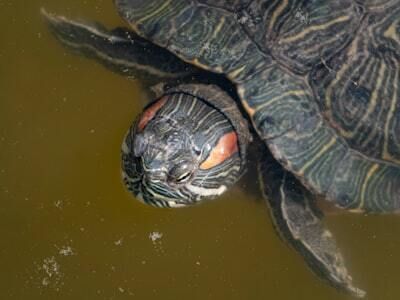

Red-Eared Slider Care Guide
(Trachemys scripta elegans)
A Comprehensive Overview for Responsible Ownership
Red-eared sliders are one of the most recognizable aquatic turtles in the world. Native to the southern United States, they are intelligent, hardy, and highly active reptiles that spend much of their lives swimming, basking, and exploring. While often sold as small, inexpensive pets, they quickly grow into large turtles that require significant space, powerful filtration, and a long-term commitment. With proper care, they can become engaging companions that live for decades.
Quick Reference
• Enclosure Size:
- Hatchlings: 40-gallon breeder minimum
- Juveniles: 75-gallon minimum
- Adults: 120-gallon aquarium or stock tank minimum (larger is always better)
• Water Temperature:
- Hatchlings: 78–80°F
- Adults: 74–76°F
• Basking Temperature:
- 90–95°F
• Air Temperature Above Basking Area:
- 80–85°F
• Lighting:
- High-quality T5 HO UVB (10.0) or mercury vapor bulb
- 10–12 hours daily
• Water Quality:
- Strong canister filter rated for at least 2–3 times the aquarium volume
- Ammonia: 0 ppm
- Nitrite: 0 ppm
- Nitrate: Under 40 ppm
• Diet:
- Omnivorous
- Commercial aquatic turtle pellets, leafy greens, aquatic plants, vegetables, and occasional protein
• Water Depth:
- At least twice the turtle's shell length
- Adults benefit from deep water for swimming
• Basking Area:
Completely dry platform large enough for the turtle to leave the water entirely
Housing and Space Recommendations
Red-eared sliders are active swimmers that require considerably more room than many first-time owners expect. Small tanks quickly become overcrowded, resulting in poor water quality and unhealthy turtles.
Adults should be housed in at least a 120-gallon aquarium, indoor pond, or stock tank, though larger enclosures are strongly recommended. Many experienced keepers successfully house adults in 150–300 gallon stock tanks, providing ample swimming space.
Outdoor ponds can provide an excellent home in suitable climates, provided:
- They are secure from predators and escapes and have secure fencing
- They are deep enough to prevent overheating/freezing and allow for swimming freely.
- They are equipped with secure basking areas
- They have multiple resting spots
- There is driftwood, logs, and aquatic plants (real or artificial)
Indoor Temperature and Heating
Like all aquatic turtles, red-eared sliders depend on external heat sources to regulate metabolism and digestion.
Water Temperature
- Hatchlings: 78–80°F
- Adults: 74–76°F
Use a fully submersible aquarium heater with a protective guard if necessary.
Basking Area
- Surface temperature: 90–95°F
- The turtle should be able to dry completely while basking.
Provide UVB lighting for 10–12 hours daily.
Recommended options include:
- T5 HO 10.0 UVB fluorescent bulbs
Replace UVB bulbs according to manufacturer recommendations, usually every 10–12 months for T5 bulbs, even if they continue producing visible light.
Water Quality
Clean water is one of the most important aspects of turtle care. Because turtles produce significantly more waste than fish, filtration must be oversized.
Recommendations:
- Canister filter rated for 2–3 times the aquarium's water volume
- Partial water changes of 25–50% every 1–2 weeks
- Regular testing for ammonia, nitrite, nitrate, and pH
- Remove uneaten food promptly
Feeding and Diet
Red-eared sliders are omnivores whose diet changes as they mature.
Young turtles require more protein for growth, while adults consume a greater proportion of plant material.
Hatchlings & Juveniles
- High-quality aquatic turtle pellets, earthworms, crickets, black soldier fly larvae, small amounts of leafy greens.
Adults
- Turtle pellets, dandelion/collard/mustard/turnip greens, romaine lettuce, squash, green beans.
Occasional Treats
- Blueberries, strawberries, shredded carrot, bell pepper, snails, earthworms
Avoid
- Iceberg lettuce, processed meats, bread, dairy, excess fruit, wild caught feeder fish
Dust vegetables with calcium powder 2–3 times weekly if needed. A cuttlebone may also be offered for supplemental calcium.
Feeding Schedule
- Hatchlings: Daily
- Juveniles: Daily
- Adults: Every other day or 3–4 times per week
Offer only as much food as can be consumed within several minutes to help maintain water quality.
Enrichment and Environmental Stimulation
Red-eared sliders are curious, intelligent turtles that benefit from environmental variety.
Ideas include:
- Rearranging driftwood, safe rocks and climbing structures, floating feed toys, occasional life prey and varying the food presentation.
Providing opportunities to swim, climb, bask, and forage encourages natural behaviors.
Lifespan and Size
Red-eared sliders grow much larger than many new owners expect.
- Adult males: 7–9 inches
- Adult females: 10–12 inches (occasionally larger)
With proper care, they commonly live 30–40 years, some cases longer.
Handling and Temperament
Red-eared sliders may tolerate occasional handling but generally prefer interacting within their environment.
- Handle only when necessary, supporting the entire body.
- Wash hands thoroughly before and after handling.
- Avoid prolonged handling, which can cause stress and lower body temperature.
While they often recognize their keepers and eagerly swim toward them during feeding, this behavior should not be mistaken for a desire to be held.
Bringing Home a New Tortoise
Allow your new turtle time to adjust to its environment. For the first 7-14 days:
- Ensure proper water and basking temperatures.
- Offer fresh food daily.
- Monitor appetite and activity.
- Test water quality frequently.
Most healthy turtles begin eating and exploring within several days once they feel secure.
Red-eared sliders are intelligent, engaging reptiles that reward attentive keepers with decades of companionship. Their care extends far beyond a small aquarium - they require spacious aquatic habitats, clean water, proper lighting, balanced nutrition, and regular maintenance. While they are often marketed as beginner pets, they thrive best with owners who understand their long-term needs and are prepared to provide them with a healthy, enriching environment throughout their lives.
This guide outlines general care practices for red-eared sliders. Individual care needs may vary depending on age, health, environment, and other factors. Continue learning from reputable sources, experienced keepers, and qualified reptile veterinarians to provide the highest standard of care for your turtle.
Additional Reading
Red-Eared Sliders - Philippe de Vosjoli
You can also contact the Phoenix Herpetological Sanctuary if you have any questions!
PHS: 480-513-4377