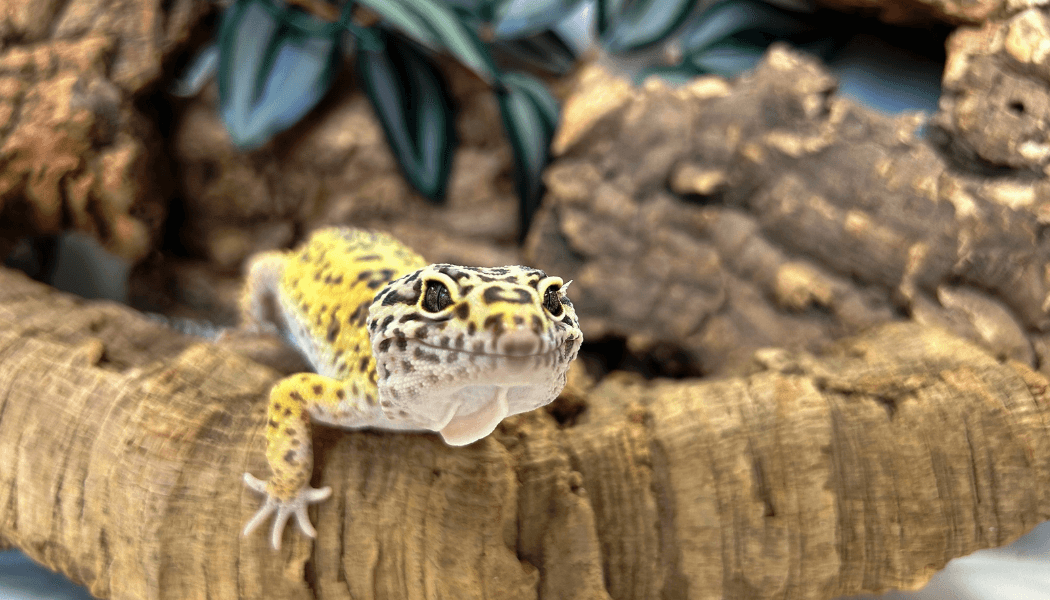
Leopard Gecko (Eublepharis macularius) Care Guide
A Comprehensive Overview for Responsible Ownership
Leopard geckos are small, ground-dwelling lizards native to the rocky deserts and arid grasslands of Pakistan, India, and Afghanistan. They're one of the most popular pet reptiles thanks to their manageable size, docile personalities, and straightforward care needs. This guide outlines general husbandry for leopard geckos, a great choice for new and experienced keepers alike.
Quick Reference
- Enclosure Size:
Adults: 20–40 gallon tank (30" x 12" minimum); larger is always better.
Note: Front-opening enclosures provide easier access and interaction.
- Temperature Gradient:
Warm side: 88–92°F
Cool side: 75–80°F
Night temps: 70–75°F
- Lighting:
Leopard geckos are crepuscular and do not require intense lighting. However, low-level UVB (2.0–5.0 T5) can be beneficial for vitamin D3 synthesis.
- Humidity:
Maintain 30–40% ambient humidity with a separate moist hide (70–90%) to assist with shedding.
- Substrate:
Our preferred mix is 40% excavator clay, 40% organic topsoil, 20% play sand
- Diet:
Insectivorous – live insects (e.g., crickets, dubia roaches, black soldier fly larvae)
Juveniles: daily feedings
Adults: every other day
Supplement 3x per week with calcium (with D3)
- Water:
Provide a shallow water dish and change daily
- Enclosure Enrichment:
Caves, hides, naturalistic rocks, logs, moist hide, climbing ledges
Enclosure/Housing Recommendations
Leopard geckos need floor space more than height, as they’re terrestrial. A 20–40 gallon tank is appropriate for one adult. Include multiple hides: one warm, one cool, and a humid hide for shedding. Provide a secure lid, especially if using a tank-style setup, and ensure all heating elements are regulated properly.
They do best with a belly heat gradient. Use a heat mat on one side of the tank and regulate it with a thermostat. Note: Heat mats must always have a thermostat, and you will need to purchase this separately.
Temperature and Heating
Create a thermal gradient using a heat mat with thermostat:
- Warm Side (Belly Heat): 88–92°F
- Cool Side: 75–80°F
- Night Temps: Can drop to 70–75°F
Avoid heat lamps unless your ambient temperatures are low, as overhead heat can dry out the enclosure too much. A low-level UVB bulb is optional but beneficial. Always verify temps using a temperature gun.
Ambient humidity should remain between 30–40%. To aid in shedding, provide a moist hide filled with damp sphagnum moss or paper towels. This should always be available and kept humid (70–90%).
Leos shed regularly—young geckos shed more often. Signs of shedding include dull color and hiding. If stuck shed remains (especially on toes), increase access to humidity and gently assist if needed.
Substrate Options
A mix of excavator clay, organic topsoil, and play sand (40/40/20) creates a more naturalistic environment
Avoid calcium sand and dusty substrates due to risk of impaction.
Enrichment and Environmental Stimulation
While not as active as some reptiles, leopard geckos enjoy exploring and interacting with their environment.
Recommended enrichment includes:
- Naturalistic hides and tunnels
- Textured surfaces like cork bark for grip
- Moist hide with moss or damp substrate
- Rotating rocks or climbing decor
Avoid plastic décor with sharp edges. Occasional, gentle handling also offers enrichment and bonding.
Leopard geckos can live 10–20 years in captivity with proper care.
- Average adult size: 7–10 inches
- Males are usually slightly larger and broader-headed than females.
Leopard geckos are known for their calm, gentle disposition.
- Start with short handling sessions to build trust
- Always support the body and move slowly
- Never grab them by the tail—they can drop it as a defense mechanism
Leopard geckos are solitary and must be housed alone to prevent stress, fighting, and injury.
Leopard geckos are insectivores; they don’t eat vegetables or fruit.
• Juveniles (under 1 year): Feed daily
• Adults (1 year+): Feed every other day
- Insects: Dubia roaches, crickets, black soldier fly larvae, mealworms (as part of a varied diet), hornworms as treats
- Supplements:
Dust insects with calcium + D3 3x/week
Use reptile multivitamins 1x/week - Avoid: Wild-caught insects, large superworms (especially for juveniles), fireflies
Bringing Home a New Leopard Gecko
New geckos need a gentle adjustment period.
- Allow 1–2 weeks to acclimate before handling
- Set up the enclosure beforehand with proper temps and hides
- Watch for signs of stress: lack of appetite, excessive hiding, tail thinning, or dull coloration
Observe Your Gecko
Healthy behaviors include:
- Hunting and eating insects
- Regular, full-body sheds
- Alert posture, clear eyes, and a thick tail
- Exploration and use of both warm and cool hides
Signs of illness include lethargy, sunken eyes, runny stool, poor shedding, or weight loss. Always evaluate husbandry first and consult a reptile vet if issues persist.
Leopard geckos are quiet, fascinating pets that are easy to care for with the right setup and knowledge. Their gentle demeanor and low-maintenance needs make them an ideal reptile for all experience levels. With daily observation and a commitment to their well-being, these charming little lizards can thrive and live long, healthy lives.
This care guide reflects general best practices for leopard geckos. Individual needs may vary. Always consult experienced keepers and continue your research through credible sources—and seek veterinary care if needed.
Leopard Geckos: The Next Generations – Ron Tremper
The Leopard Gecko Manual – Philippe de Vosjoli
You can also contact the Phoenix Herpetological Sanctuary if you have any questions!
PHS: 480-513-4377