
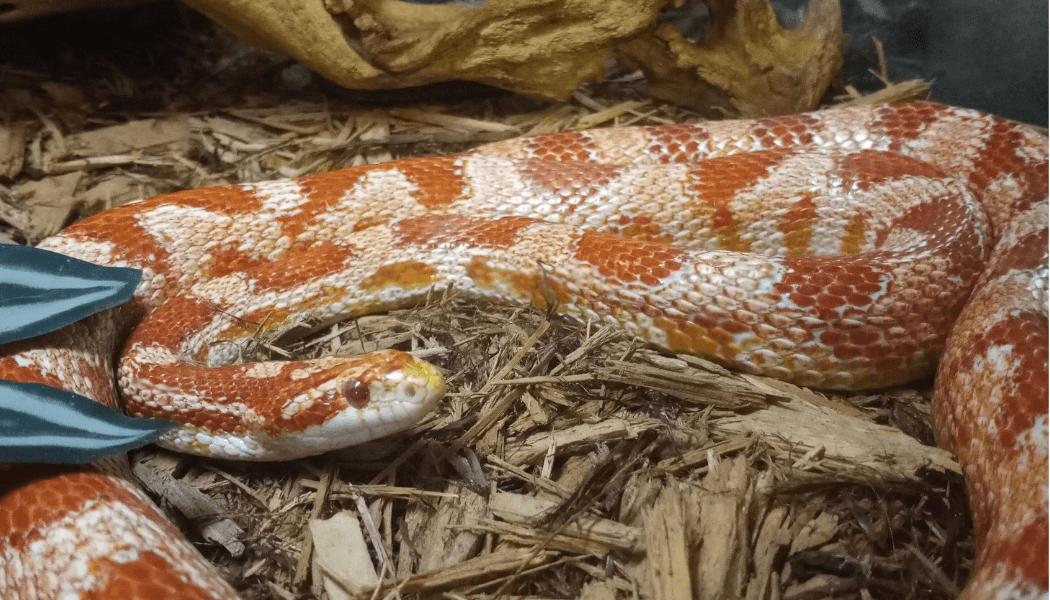
Corn Snake (Pantherophis guttatus) Care Guide
A Comprehensive Overview for Responsible Ownership
Corn snakes are one of the most popular beginner-friendly snakes due to their manageable size, calm temperament, and relatively simple care needs. This guide provides essential husbandry recommendations to ensure your corn snake remains healthy, active, and stress-free.
Quick Reference
• Enclosure Size:
- Adults: 36”x18”x18” minimum; 48”x24”x24” or larger preferred
- Hatchlings: Secure, appropriately sized enclosures or tubs
• Temperature Gradient:
- Basking area: 85–90°F
- Cool side: 72–78°F
• Humidity:
- Target 40–60%; increase slightly during shedding
• Substrate:
- Aspen, coco husk, or paper-based bedding; sphagnum moss optional during shed
• Diet:
- Frozen-thawed rodents appropriate to body width
- Feed every 5–7 days for juveniles, every 7–14 days for adults
• Water:
- Clean, fresh water available at all times
• Enclosure Enrichment:
- Provide at least two hides (warm and cool), climbing branches, and visual cover
Enclosure/Housing Recommendations
Corn snakes are active, curious climbers and benefit from space and enrichment. A 36”x18”x18” enclosure is the minimum for adults, but larger is better. Secure lids are essential—corn snakes are known escape artists.
Young snakes may feel insecure in large, open setups. Ensure plenty of clutter (hides, foliage, branches) for security.
Temperature and Heating
Corn snakes rely on external heat for thermoregulation. Provide a gradient:
- Basking spot: 85–90°F
- Cool side: 72–78°F
Use thermostats to regulate heat sources. Heat mats or ceramic heat emitters work well. Always verify temps with a thermometer or temp gun. Avoid overheating (>92°F) or letting temps fall below 70°F.
Maintain humidity between 40–60%. Use light misting or a moist hide with damp sphagnum moss during shedding. Improper humidity can cause incomplete sheds, especially on the tail tip and eye caps.
Substrate Options
- Aspen shavings
- Coconut husk
- Reptichip or shredded cypress
- Paper towel or newspaper (for easy cleaning or quarantine)
Avoid pine or cedar—these can be toxic. Choose substrates that allow burrowing and hold humidity without staying too damp.
Enrichment and Environmental Stimulation
Corn snakes benefit from enrichment and hiding options:
- Cork bark, tunnels, paper towel tubes
- Climbing branches or vines
- Artificial or live plants
- At least two hides: one on warm side, one on cool side
Rotate items periodically to encourage exploration and prevent boredom.
Corn snakes typically grow 4–5 feet long. Average lifespan is 15–20+ years in captivity with proper care.
Corn snakes are docile and generally tolerate handling well. Support their body and avoid sudden movements. Gentle, regular handling helps build trust.
Each snake is an individual—some may be more reserved or active. Always respect their comfort level and work with them as need so they get comfortable with you.
Corn snakes eat frozen-thawed rodents:
- Juveniles: every 5–7 days
- Adults: every 7–14 days
Prey should be as wide as the snake’s thickest point. Avoid handling for 24–48 hours after feeding. Most corn snakes are enthusiastic eaters, though seasonal appetite drops are normal.
Allow 1–2 weeks for your new corn snake to adjust to its environment before handling. Ensure the enclosure is properly set up, and monitor feeding and activity. Start handling once your snake is eating consistently.
Observe Your Snake
Every snake is different. Some are bold, others are shy. Adjust enclosure layout, feeding schedule, and handling based on your snake’s behavior. Attentiveness and flexibility lead to better care.
Corn snakes are hardy, beautiful reptiles that make wonderful pets. With proper care, enrichment, and attention, they can live long, healthy lives and provide years of enjoyment for keepers of all levels.
Disclaimer
This care guide outlines general best practices for Corn Snakes. Individual needs may vary based on age, size, temperament, and enclosure style. Continue researching from credible sources, consult experienced keepers, and adjust your methods as needed.
Corn Snakes in Captivity – Don Soderberg
Corn Snakes: The Comprehensive Owner’s Guide – Kathy Love & Bill Love
You can also contact the Phoenix Herpetological Sanctuary if you have any questions!
PHS: 480-513-4377