Blue Tongue Skink (Tiliqua spp.) Care Guide
A Comprehensive Overview for Responsible Ownership
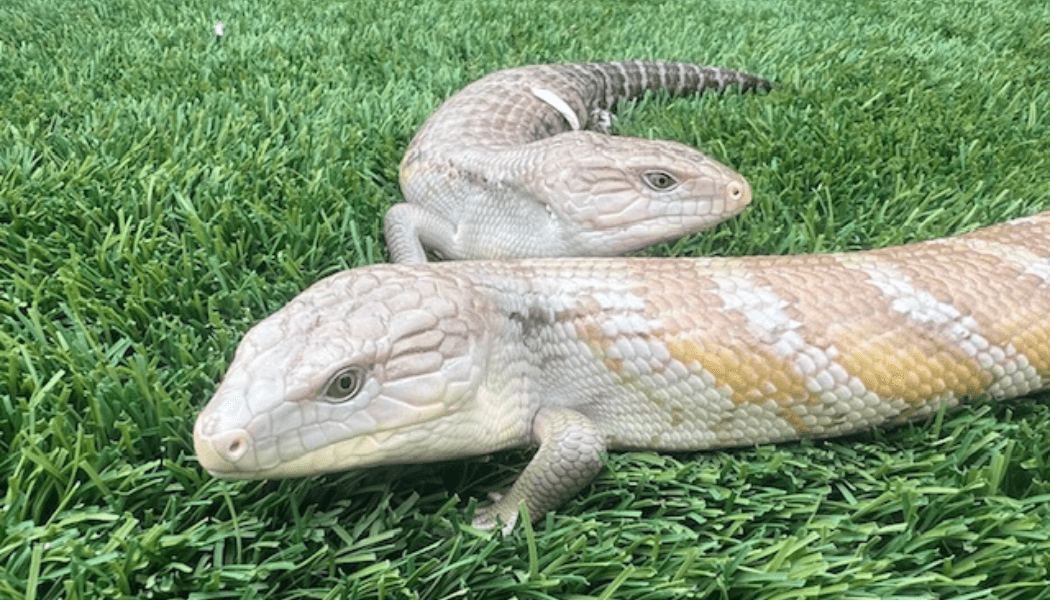
Blue tongue skinks (BTS) are medium-sized lizards found in Australia, Indonesia, and parts of New Guinea. They are popular pets because of their calm nature, intelligence, and engaging personalities. This guide covers Northern Blue Tongue Skinks and the most common Indonesian varieties, highlighting where care differs to help you keep your skink healthy and thriving.
Quick Reference
- Enclosure Size:
Adults: 48" x 24" x 18–24" enclosure (minimum 120 gallons)
Juveniles: 40-gallon breeder tank to start
Tip: Front-opening enclosures make interaction and cleaning much easier.
- Temperature Gradient:
Basking spot: 95–100°F (slightly lower for Indonesian types: 92–96°F)
Cool side: 75–85°F
Night temps: 70–75°F (avoid dropping below 68°F)
- UVB:
Recommended for all skinks to prevent metabolic bone disease and support overall health. Use a T5 10.0 linear UVB; replace every 6–12 months.
- Humidity:
Northerns: 35–45%
Indonesians: 60–80% (mist lightly and provide humid hides)
- Substrate:
Bioactive mix (topsoil/coco coir/play sand) or cypress mulch; deep enough for digging.
For Indonesians, keep it slightly damper to help maintain humidity.
- Diet:
Omnivorous—about 50% protein, 40% vegetables, 10% fruit.
Use high-quality wet dog food, lean meats, eggs, and a rotation of safe greens and veggies.
- Water:
Provide a large, shallow dish for drinking and soaking; refresh daily.
- Enclosure Enrichment:
Multiple hides, logs, rocks, branches, and clutter for security and exercise.
Enclosure/Housing Recommendations
Adult blue tongue skinks need at least a 4'x2'x2' enclosure, though larger is better. They are terrestrial and appreciate floor space over height. Include:
- A basking area with a secure platform or flat rock
- Several hides (one on each temperature zone)
- Diggable substrate and clutter for enrichment
- Good ventilation for Northerns; slightly higher humidity retention for Indonesians
Temperature and Heating
Blue tongue skinks rely on a clear thermal gradient:
- Basking Area:
Northerns: 95–100°F
Indonesians: 92–96°F
- Cool Side: 75–85°F
- Night: 70–75°F
Use a basking bulb and high-quality digital thermometer or temp gun to confirm accuracy. Ceramic heat emitters can help maintain night temps in cooler homes.
- Northerns: Keep at 35–45% humidity; they prefer a drier environment.
- Indonesians: Maintain 60–80% humidity with misting, damp moss hides, or partially covering the screen top.
- All skinks: Provide a humid hide to help with shedding. If shed sticks, soak gently or offer a damp hide for a few hours.
Substrate Options
Safe substrates include:
- Bioactive mixes: 50% organic topsoil, 30% play sand, 20% coco coir or cypress mulch
- Dry setups (for Northerns): Aspen or a dry soil mix
- Moist setups (for Indonesians): Cypress mulch, Reptisoil, or organic soil/coco coir mix to hold humidity
Avoid dusty sand, pine, cedar, or anything aromatic that can harm their respiratory system.
Enrichment and Environmental Stimulation
Blue tongue skinks are smart and curious. They thrive in enriched enclosures with:
- Multiple hides and tunnels
- Branches and rocks to climb
- Rotating décor or food puzzles
- Diggable substrate for natural burrowing behavior
- Occasional supervised floor time or outdoor sunning (in safe, secure conditions)
- Average adult size: 18–24 inches (Northerns slightly larger than Indonesians)
- Average lifespan: 15–20+ years with proper care; some live even longer
BTS are known for their calm, personable nature.
- Start with short, gentle sessions to build trust
- Always support their whole body when lifting
- They rarely bite unless frightened or in pain
- Watch for signs of stress: hissing, puffing up, or gaping mouth
Blue tongue skinks are omnivores with flexible diets.
Balanced Adult Diet (by volume):
- Protein (50%)
- Lean ground turkey, boiled chicken, low-fat canned dog food (high-quality brands only) Do not rely on only dog food!!! They need a diverse diet.
- Insects: dubia roaches, superworms, mealworms (as treats)
- Scrambled or boiled eggs occasionally (no butter, oils, spices, etc)
- Vegetables & Greens (40%)
- Collard greens, mustard greens, squash, bell peppers, dandelion greens, carrots, zucchini
- Fruits (10%)
- Berries, papaya, mango, apple, melon (small amounts only)
Supplements:
- Calcium with D3: 2–3 times weekly
- Multivitamin: once weekly
Feeding Frequency:
- Juveniles: 4–5 small meals per week
- Adults: 2–3 meals per week
Avoid citrus, avocado, onion, garlic, rhubarb, and processed meats.
Give your new skink 1–2 weeks to settle:
- Minimal handling at first
- Double-check temps, humidity, and hides are ready
- Offer food quietly and observe from a distance
- Signs of stress: hiding, refusing food, hissing, or dark coloration
Healthy skinks will:
- Explore and bask during the day
- Eat regularly and maintain a healthy body weight
- Have clear eyes, firm stools, and smooth sheds
Seek a reptile vet if you notice lethargy, swelling, wheezing, persistent refusal to eat, or odd stool.
Blue tongue skinks are hardy, interactive lizards that make excellent pets with proper care. With a balanced diet, a secure, enriched enclosure, and consistent handling, they quickly become engaging companions for keepers of all experience levels.
This care guide reflects general best practices for Northern and Indonesian blue tongue skinks. Individual needs may vary by subspecies and environment. Always consult experienced keepers, trusted sources, and reptile veterinarians when in doubt.
Additional Reading
- Blue Tongued Skinks (Advanced Vivarium Systems) by David C. Wareham
You can also contact the Phoenix Herpetological Sanctuary if you have any questions!
PHS: 480-513-4377