Bearded Dragon (Pogona vitticeps) Care Guide
A Comprehensive Overview for Responsible Ownership
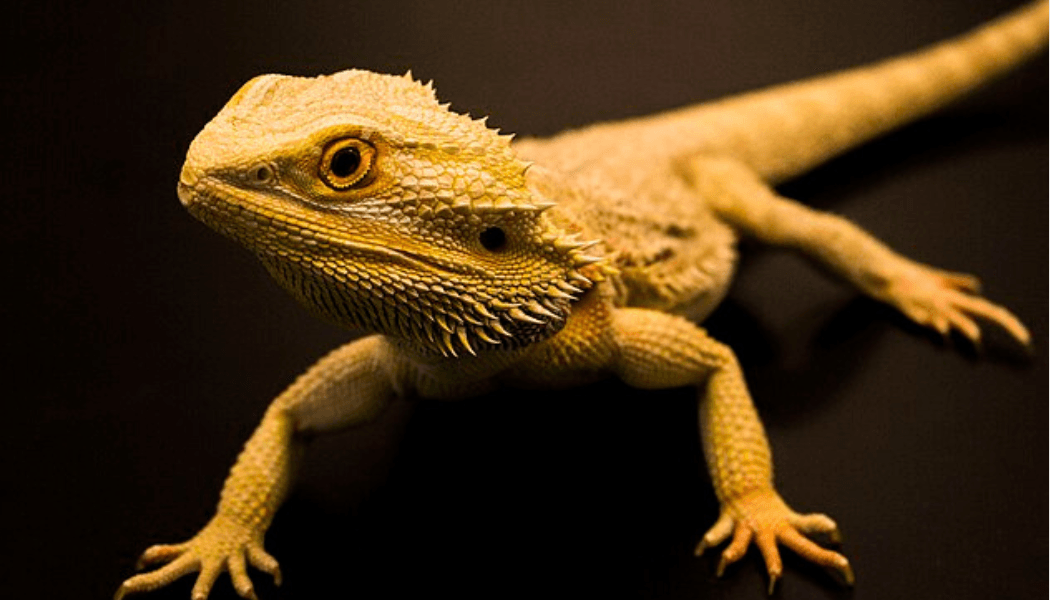
Bearded dragons are medium-sized lizards native to the arid woodlands and deserts of Australia. They are among the most popular pet reptiles due to their friendly nature, hardiness, and ease of care. This guide outlines general husbandry for inland bearded dragons, the most commonly kept species in captivity.
Quick Reference
• Enclosure Size:
Adults: 120-gallon enclosure (48" x 24" x 24"). Juveniles can start in a 40 gallon tank.
Note: Front-opening enclosures allow easier access and interaction.
• Temperature Gradient:
Basking spot: 95–110°F
Cool side: 75–85°F
- UVB light is crucial to prevent Metabolic Bone disease. Your beardie will get severely sick if this is not provided. These must be replaced every 6-12 months depending on brand. Look for UVB 10.0 T5.
• Humidity:
Maintain 30–40% relative humidity
• Substrate:
Our preferred substrate is a mix – 50% Play sand, 30% organic topsoil, 20% Excavator clay (excavator clay is found at reptile retail stores and online).
• Diet:
Omnivorous – balanced mix of insects (live) and fresh greens and vegetables
Juveniles: 70% protein, 30% vegetables
Adults: 70% vegetables, 30% protein
Supplement Juveniles and Adults 3x week with calcium (with D3)
• Water:
Provide shallow water dish and mist greens
• Enclosure Enrichment:
Basking platforms, logs, hides, rocks, climbing branches, tunnels
Enclosure/Housing Recommendations
Bearded dragons need space to move, bask, and explore. A 120-gallon enclosure is ideal for adults. The enclosure should include a basking area, a cooler retreat, and multiple enrichment opportunities. Ensure excellent ventilation and a secure lid or doors. Bearded dragons are active during the day and should be provided with 10–12 hours of both UVB and heat light daily.
Temperature and Heating
Create a strong thermal gradient:
• Basking Area: 95–105°F (up to 110°F for juveniles)
• Cool Side: 75–85°F
• Night Temps: 65–75°F (ceramic heat emitters can be used if needed)
Use a high-quality basking bulb paired with a UVB light (10.0 T5 recommended) mounted inside the enclosure. Replace UVB bulbs every 6–12 months depending on type. Always verify temps with a digital thermometer or temp gun.
Keep humidity low, around 30–40%, mimicking their native dry environment. Beardies are dry shedders and don’t need special humidity during this time.
Substrate Options
• Young Dragons: Newspaper, butcher paper, tile
• Adults: Play sand mixed with topsoil, excavator clay, or bioactive substrates. Avoid calcium sand and other dusty substrates that can lead to impaction.
*The mix we use at PHS is 50% play sand, 30% organic topsoil, and 20% excavator clay.
Enrichment and Environmental Stimulation
Beardies are curious and benefit from stimulating, secure environment. Suggested enrichment includes:
• Climbing branches, hammocks, basking rocks
• Hide boxes and tunnels
• Rotating décor or food puzzles
• Occasional supervised “floor time” or secure outdoor basking (be sure to use a leash made for bearded dragons - they are FAST).
Bearded dragons can live 8–12 years with proper care.
• Average adult size: 18–24 inches
• Males may be slightly larger and more territorial
Bearded dragons are generally docile and tolerate handling well.
• Begin with short sessions and build trust
• Support the full body; avoid sudden movements
• They may wave, puff up, head bob, or “black beard” as part of their body language
They are solitary and should be housed alone to prevent stress, injury and loss of body parts.
Beardies are omnivores with changing dietary needs over time:
• Juveniles (under 1 year):
70% protein (Dubia roaches, crickets, superworms, and black soldier fly larvae give a varied diet), 30% finely chopped vegetables and greens (collards, squash, mustard greens, turnip greens, dandelion, bell peppers, cucumbers, squash)
• Adults (1 year+):
70% vegetables (collards, squash, mustard greens, turnip greens, dandelion, bell peppers, cucumbers, squash), 30% protein (Dubia roaches, crickets, superworms, and black soldier fly larvae give a varied diet)
- Treats: Blueberries, papaya, hornworms (once every week or two)
• Supplements:
Dust insects with calcium that contains D3, 3x weekly - can use reptile multivitamins once a week
• Avoid: avocado, fireflies, rhubarb, iceberg lettuce, spinach, kale
Feed insects daily for juveniles; adults 2–3x per week. Offer salads daily at all ages.
New dragons need time to adjust.
• Allow 1–2 weeks with minimal handling
• Ensure enclosure temperatures and lighting are correct before introducing food
• Monitor for stress signs like hiding, dark coloration, or refusal to eat
Healthy behaviors include:
• Active basking and exploring during the day
• Regular eating and alertness
• Clear eyes, and healthy stool
Any lethargy, consistent black beard, weight loss, or persistent hiding may indicate stress or illness—review husbandry and/or consult a reptile vet.
Bearded dragons are engaging and personable lizards that thrive in well-maintained, enriched enclosures. With proper care, they become relaxed, interactive pets for keepers of all ages. Observing and responding to their behavior is the key to a happy, healthy life.
This care guide reflects general best practices for inland bearded dragons. Individual needs may vary. Always consult experienced keepers and continue your research through credible sources and always seek veterinary advice when in doubt.
Bearded Dragons in Captivity – Allen Repashy
The Bearded Dragon Manual – Philippe de Vosjoli
You can also contact the Phoenix Herpetological Sanctuary if you have any questions!
PHS: 480-513-4377