
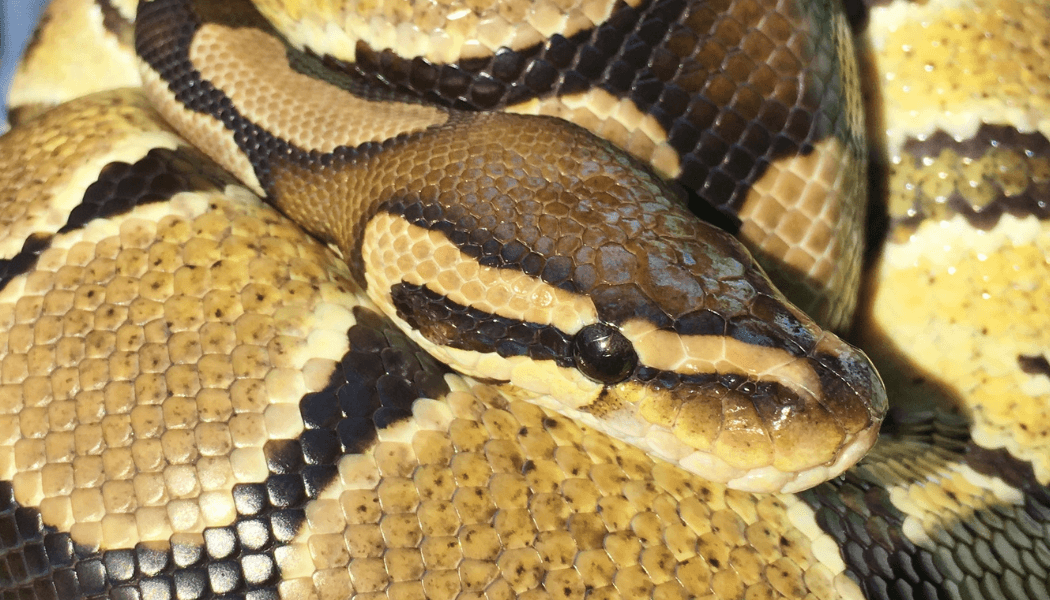
Ball Python (Python regius) Care Guide
A Comprehensive Overview for Responsible Ownership
Ball pythons are among the most popular pet snakes due to their manageable size, docile nature, and relatively straightforward care requirements. This guide provides essential husbandry recommendations to ensure your ball python remains healthy and stress-free.
Quick Reference
- Enclosure Size:
Adults: 36”x18”x18” to 48”x24”x24” depending on snake size
- Temperature Gradient:
Basking area: 88–92°F
Cool side: 74–80°F
- Humidity:
Target 60%; increase slightly during shedding
- Substrate:
Reptichip, coco coir, or a mixture; sphagnum moss recommended during shed cycles
- Diet:
Frozen-thawed rodents appropriately sized to body width
Feed weekly for juveniles, every 10–14 days for adults
- Water:
Clean, fresh water should be available at all times
- Enclosure Enrichment:
Provide at least two hides (warm and cool side), climbing opportunities, and visual barriers
Detailed Care Guidelines
Enclosure/Housing Recommendations
An enclosure size of 48”x24”x24” is recommended for most adults, allowing them to fully stretch out. PVC enclosures are ideal due to their ability to retain humidity.
Some juveniles may experience stress in overly large or sparse enclosures. If your snake hides constantly or acts stressed, try reducing the enclosure size or adding more hiding places and décor. Lots of fake vines can be great for this so they feel hidden as they go to their hides.
Temperature and Heating
Ball pythons are ectothermic and rely on external heat to regulate body temperature. This means that they use different air temperatures for what they need. They seek different temps for basking, sleeping, digestion, rest, and activity as necessary. Inadequate heating and temp choices lead to illness and poor appetite.
• Basking Spot: 88–92°F
• Cool Side: 74–80°F
Use a temperature gun to monitor conditions inside the hides. The warm hide should be slightly cooler than the basking spot. Never exceed 95°F.
Heat lamps/emitters are recommended over heat mats, as they provide more natural top-down warmth. Always use a thermostat with any heat source to prevent burns. Make sure your snake cannot get to the heat source and burn.
Humidity and Shedding
Maintain humidity at 60% for respiratory health and proper shedding. Increase humidity slightly during sheds using misting and damp sphagnum moss.
Low humidity may cause incomplete sheds and retained eye caps.
Substrate Options
Good choices include:
• Cypress mulch
• Coco coir or blocks
• Reptisoil or Jungle Mix
• Bioactive mixes (topsoil, sand, sphagnum moss)
Choose substrates that retain humidity and allow spot cleaning.
Enrichment and Environmental Stimulation
Provide a stimulating, secure environment. Suggested enrichment includes:
• Cork bark
• Artificial or live plants
• Climbing branches
• Tunnels or enrichment objects
Always provide two hides: one on the warm side, one on the cool side. Rotate enrichment items occasionally to encourage exploration.
Lifespan and Size
Ball pythons can live 20–30 years in captivity.
• Adult males: 3–4 feet
• Adult females: 4–5 feet
With proper care, they make long-lived, rewarding companions.
Handling and Temperament
Ball pythons are typically calm and handleable.
• Approach calmly and lift from underneath
• Support the body
• Avoid sudden movements
Daily short handling sessions help build trust. Watch for signs of stress and let your snake guide the pace of interaction.
Feeding and Diet
Ball pythons eat frozen-thawed mice or rats.
The size of the rodent should be approximately the same width of the widest part of the snake. Avoid handling for 24–48 hours after feeding.
• Juveniles: once per week
• Adults: every 10–14 days
Adjust frequency based on activity level and condition. It's normal for ball pythons to go on feeding strikes, sometimes for months. This is not always a concern if weight remains stable.
Feeding strikes can result from:
• Incorrect temperatures or humidity
• Stress
• A new environment or rodent brand
Always check husbandry first.
Bringing Home a New Snake
Let your new snake settle for 1–2 weeks before handling.
Keep the area quiet and consistent. Once the snake eats reliably and moves about calmly, start brief handling sessions.
Observe Your Snake
Every snake is different. Monitor your python and adjust the setup to suit their preferences. Some prefer minimalistic enclosures; others enjoy more enrichment.
Success depends on attentiveness and flexibility.
Final Thoughts
Caring for a ball python is rewarding and enriching. With proper housing, temperature, humidity, and observation, you’ll enjoy a healthy and fascinating reptile companion for decades.
This care guide reflects general best practices. Individual needs may vary. Always consult experienced keepers and continue your research through credible sources. Always seek veterinary advice when in doubt.
Additional Reading
Ball Pythons in Captivity - Kevin McCurley
The Ball Python Manual – Philippe De Vosjoli, Roger Klingenberg, Tracy Barker
You can also contact the Phoenix Herpetological Sanctuary if you have any questions!
PHS: 480-513-4377